

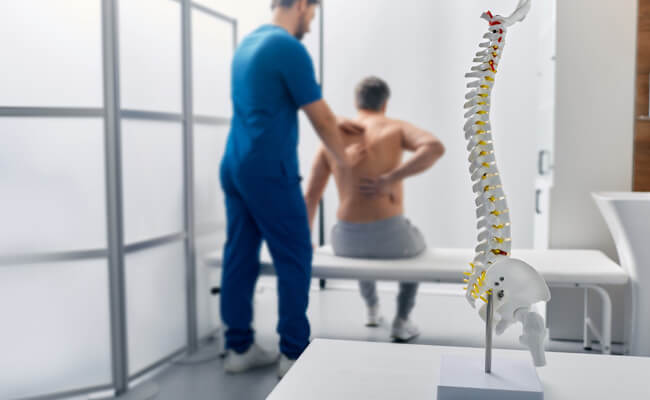
How To Fix Improper Posture for Back and Neck Pain Relief
March 2026 Newsletter
You know that regular exercise is crucial to living a healthy lifestyle. The CDC recommends adults aim for 150 minutes of moderate activity a week–about 22 minutes a day, so you don’t have to toil away in the gym for hours. But hitting those numbers can still be a challenge, especially if you struggle with persistent pain or limited mobility.
That’s where physical therapy at H2Orthopedic Aquatic and Physical Therapy comes in. We’re movement experts who understand all the impairments in your musculoskeletal system that can keep you from living the active, healthy lifestyle you crave. From pain management to maximizing your athletic performance, we’ll help you meet your exercise goals.
Here are just a few of the ways we can help you get healthier. Ready to get started? Call our clinic today!
Understanding Proper Posture: Movement and Awareness is Key
Let’s get this out of the way first: There’s no universal “ideal posture” that will work for everyone. Even common advice like “stand up straight” isn’t particularly helpful: for one, no one’s spine is ever perfectly straight since it has a natural curve pattern. For another, you don’t spend your entire life standing still.
Rather than aiming for a non-existent “perfect” posture, you want to focus on two things:
Postural Awareness:
People don’t set out to have bad posture. You might start the day telling yourself you’re not going to slouch – but then, as you get busy with other tasks, posture becomes the last thing on your mind. By staying more aware of your posture, you can more easily adapt to the various positions you have to hold throughout the day.
Avoid Prolonged Postures:
Your body wants to move. Holding the same posture for extended periods (even if you’re sitting up straight and have everything in alignment) is still going to cause problems! Rather than aiming for a “perfect” posture, make sure to change your positions throughout the day. Alternate between sitting and standing. Switch positions. Get up and move around. In short – try to stay as active as possible.

The Relationship Between Posture and Pain
Neck and back pain have several potential causes and contributing factors. Improper posture is often one of them.
When you lose your postural awareness and start to slouch, it puts extra strain on the muscles that support your spine, particularly the muscles in your neck and upper back. This can lead to overuse injuries that cause pain or restricted mobility.
Remaining in prolonged postures (particularly sitting) also puts extra strain on your back muscles. When you get up and move around – even if it’s just for a few minutes – you relieve that pressure. Staying active also helps strengthen the muscles of your back and core, which helps prevent common musculoskeletal injuries that can cause pain and dysfunction.

Our Patients Get Great Results
“H2Orthopedic is the best physical therapy organization I’ve ever been to. The kindness and professionalism of all of the therapists are exceptional. A special thank you is in order for Wyatt, Michelle, Andy and Cam, all of whom helped with my therapy.
I consider myself fortunate to have located and benefited from this team, as they are terrific. Thanks to all, and any names left off my special thanks were due to a memory lapse.”
—Linda.
Physical Therapy’s Role in Improving Posture
When you visit us for your appointment, here’s what we’ll do to help you improve your posture and reduce your back and neck pain:
We start with a comprehensive postural assessment
We’ll take a look at your posture when you’re sitting, standing, and moving, looking for potential areas of dysfunction. We’ll also take a complete health history and might run some additional screens, too, testing for strength, mobility, balance, and more.
We help with any acute pain
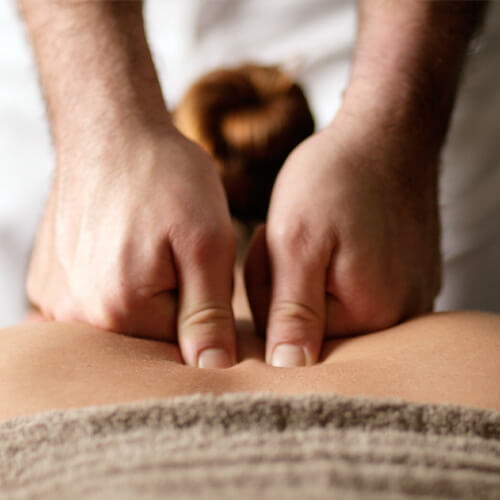
Manual therapy techniques and targeted mobility exercises can help relieve your pain and help you get your body’s function back.
We help strengthen any weak muscles
Targeted strengthening exercises will help correct any muscular imbalances stemming from improper posture, providing better support and stability to your spine.
We offer personalized postural corrections
The final piece of the puzzle helps ensure lasting relief. We’ll provide a customized postural improvement plan that speaks to your unique needs and impairments.
Start Improving Your Posture Today!
Fixing improper posture isn’t a one-and-done affair, but a visit to H2Orthopedic Aquatic and Physical Therapy can help you get started. Call us to schedule your appointment today!

Exercise & Mental Health
Everyone knows that regular exercise is good for the body. But exercise is also one of the most effective ways to improve your mental health. Regular exercise can have a profoundly positive impact on depression, anxiety, ADHD, and more. It also relieves stress, improves memory, helps you sleep better, and boosts overall mood. And you don’t have to be a fitness fanatic to reap the benefits. Research indicates that modest amounts of exercise can make a difference. No matter your age or fitness level, you can learn to use exercise as a powerful tool to feel better.
Exercise and depression. Maintaining an exercise schedule can prevent you from relapsing. It promotes all kinds of changes in the brain, including neural growth, reduced inflammation, and new activity patterns that promote feelings of calm and well-being. It also releases endorphins, powerful chemicals in your brain that energize your spirits and make you feel good. Exercise can also serve as a distraction, allowing you to find some quiet time to break out of the cycle of negative thoughts that feed depression.
Exercise and anxiety. Anything that gets you moving can help, but you’ll get a bigger benefit if you pay attention instead of zoning out. By adding this mindfulness element—really focusing on your body and how it feels as you exercise—you’ll not only improve your physical condition faster, but you may also be able to interrupt the flow of constant worries running through your head.
Exercise and ADHD. Exercising regularly is one of the easiest and most effective ways to reduce the symptoms of ADHD and improve concentration, motivation, memory, and mood. Physical activity immediately boosts the brain’s dopamine, norepinephrine, and serotonin levels—all of which affect focus and attention.
Exercise and PTSD and trauma. Evidence suggests that by really focusing on your body and how it feels as you exercise, you can actually help your nervous system become “unstuck” and begin to move out of the immobilization stress response that characterizes PTSD or trauma. Instead of thinking about other things, pay close attention to the physical sensations in your joints and muscles, even your insides as your body moves. Exercises that involve cross movement and that engage both arms and legs—such as walking (especially in sand), running, swimming, weight training, or dancing—are some of your best choices.
Outdoor activities like hiking, sailing, mountain biking, rock climbing, whitewater rafting, and skiing (downhill and cross-country) have also been shown to reduce the symptoms of PTSD.
When you’re under the cloud of an emotional disorder and haven’t exercised for a long time, setting yourself extravagant goals like completing a marathon or working out for an hour every morning will only leave you more despondent if you fall short. Better to set yourself achievable goals and build up from there.


These Irish Potato Bites are a fun, festive treat that brings comforting flavor to your St. Patrick’s Day celebration. They’re easy to enjoy as a crowd-pleasing snack or appetizer with a touch of Irish-inspired flair. 🍀
Enjoy This Healthy Recipe!
Irish Potato Bites
– 20 red potatoes, small (golf ball size)
– 1/2 cup corned beef
– 1/4 cup cheddar cheese, shredded
– 1 tbsp butter, melted
– 1/8 tsp Salt
– sour cream, (optional)
Fill a large pot with water and bring it to a boil. Add potatoes and boil until they are fork tender. Preheat oven to 400°F. Once potatoes are cooked and have cooled cut each one in half and cut a small slice off of the rounded end so the potato can sit up. Scoop out the inside of each potato half saving the potato insides in a bowl. Add cheese, corned beef, butter to the bowl with the saved potato insides. Salt mixture to taste. Also sprinkle some salt over the potato halves. Scoop mixture into potato halves and then place them on a baking sheet. Place baking sheet in oven for 10 minutes. Remove from oven and serve with a dollop of sour cream.
Exercise of the Month
NECK GLIDE
(Stretches Your Neck)
Stand tall with your shoulders relaxed and your head in a neutral position. Gently draw your head straight backward, keeping your chin level—like you’re trying to make a double chin. Avoid tilting your head up or down. Hold briefly, then return to the starting position.
3 Sets, 10 Reps.
Meet Our Team

Erika J.
PTA
Carissa V.
PTA
Michele B.
PTA
Nicki B.
Practice Manager
Wyatt W.
PT, DPT
Larry L.
PT, Co-Owner
Amy L.
MBA, LMT, Certified Pilates Instructor, Co-Owner
Stefan G.
PT, DPT, CILet’s Get You Better ASAP!
Contact us if you feel that your physical health or an old injury is holding you back from being active. Working with our physical therapists at H2Orthopedic can help you achieve improved balance and a healthy lifestyle.
Sources: https://bmcmusculoskeletdisord.biomedcentral.com/articles/10.1186/s12891-021-04858-6, https://www.ncbi.nlm.nih.gov/pmc/articles/PMC6407754/, https://journals.lww.com/nsca-jscr/fulltext/2012/02000/effect_of_core_strength_on_the_measure_of_power_in.8.aspx, https://www.mdpi.com/2411-5142/6/2/37, https://www.frontiersin.org/articles/10.3389/fphys.2022.915259/full