


Set yourself up for success with both pre and post-operative physical therapy.
Why Pre and Post Op Physical Therapy?
September 2025 Newsletter

If you’re facing surgery, you might have a mix of emotions – anticipation, a bit of worry, and a strong desire to get back to your normal life as quickly as possible. Physical therapy can make a big difference in that journey, both before and after your surgery. Studies show that pre-operative exercises and strengthening programs can be effective in reducing complications and length of hospital stay in post-operative situations.
At H2Orthopedic Aquatic and Physical Therapy, we can help you prepare your body for the challenges of surgery and guide you through the best possible recovery. Our experienced PTs will arm you with strength, knowledge, and preparation to help you before and after your procedure.
Help prepare yourself for a successful surgical outcome with pre and post-operative physical therapy.
Why Both Pre and Post-surgery Physical Therapy?
Physical therapy plays a crucial role in achieving your surgical and recovery goals, both before and after your procedure. Pre-surgery PT focuses on improving your strength, range of motion, and overall fitness to prepare your body for the surgical process. Afterward, physical therapy guides your rehabilitation process by:
- Reducing pain
- Restoring motion
- Eliminating swelling
- Rebuilding strength
- Helping you regain functional independence
Pre-Surgical Physical Therapy
Pre-surgical Physical Therapy, sometimes referred to as “Prehab,” aims to optimize your physical condition before surgery for a smooth recovery and successful outcome.
- Improved Strength and Range of Motion: Strengthen the muscles and maximize your range of motion in and around the surgical area.
- Reduced Pain and Inflammation: Manage existing discomfort and reduce or eliminate inflammation to support successful post-operative healing.
- Education and Preparation: Learn what to expect from the post-operative experience, like physical therapy exercises, how to use assistive devices, and adjustments you can make beforehand to safely navigate your home environment.
Patients who undergo pre-surgical education and physical therapy programs often experience lower levels of anxiety compared to those who don’t prepare in this way. By understanding what lies ahead and feeling equipped with knowledge and strength, patients often feel more empowered and can improve emotional well-being throughout the process.
Post-Operative Physical Therapy
Post-surgery physical therapy is an important part of the recovery process. Our PTs will help you regain your normal movement patterns, rebuild strength, and restore overall function. Our goal is to support your body’s natural healing process by using the following:
Functional Training: Retrain your normal movement patterns and improve your coordination and body awareness to facilitate a successful return to independence.
Pain Management: Our PTs use techniques like manual therapy and modalities to reduce post-operative pain, swelling, and stiffness.
Reduce Swelling and Scar Tissue Management: We will use targeted hands-on treatments, including joint mobilizations with targeted exercises to help reduce swelling, minimize scar tissue formation, and restore range of motion to avoid limitations in overall movement.
Improved Strength: Progressive strengthening exercise programs restore stability and normal function and prevent complications.

Pre and Post-op Physical Therapy with H2Orthopedic Aquatic and Physical Therapy
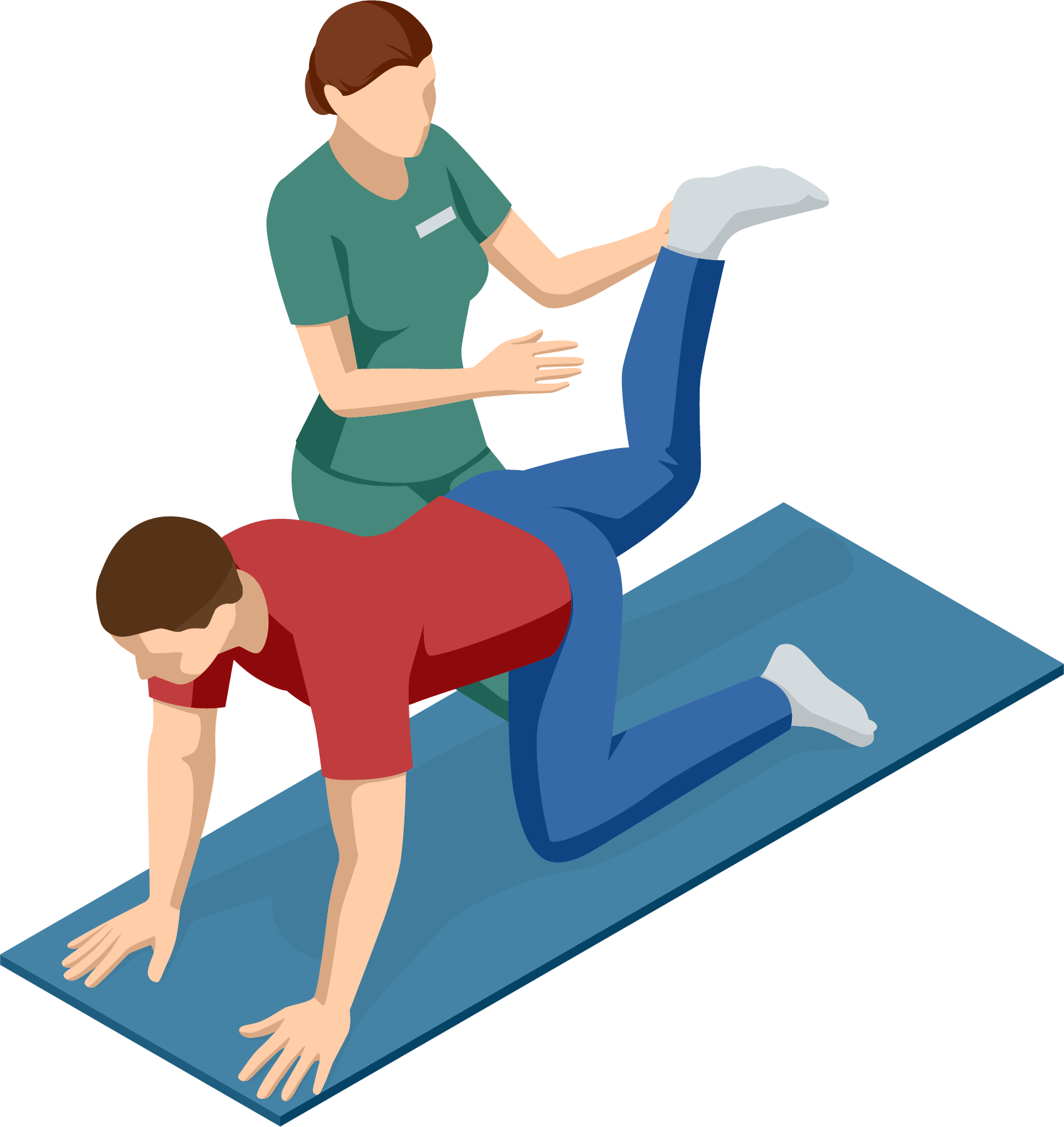
Our physical therapists design every pre and post-op program based on individual needs and goals. At your first appointment, we’ll conduct a thorough assessment of your medical history and existing condition to understand the details of your upcoming surgery. Then, we’ll discuss your questions and concerns and set achievable goals for success.
If you or a loved one is considering surgery or have scheduled an upcoming procedure, give us a call today. We’ll schedule your first appointment and discuss how our pre and post-op physical therapy program can help you.

Our Patients Get Great Results
“The BEST! This group of therapists is professional, knowledgeable, friendly and just plain fun! They are the sum total of professional, efficient, effective, yet familial and fun. My sincere thanks to Erica, Wyatt, Michelle and Andy for their assistance in my treatments. Each provided their own unique perspective on therapy which allowed customized adjustments of the exercises to fit my specific body and needs. GREAT JOB to all. I highly recommend this group to others for their physical therapy needs.”
—Debora
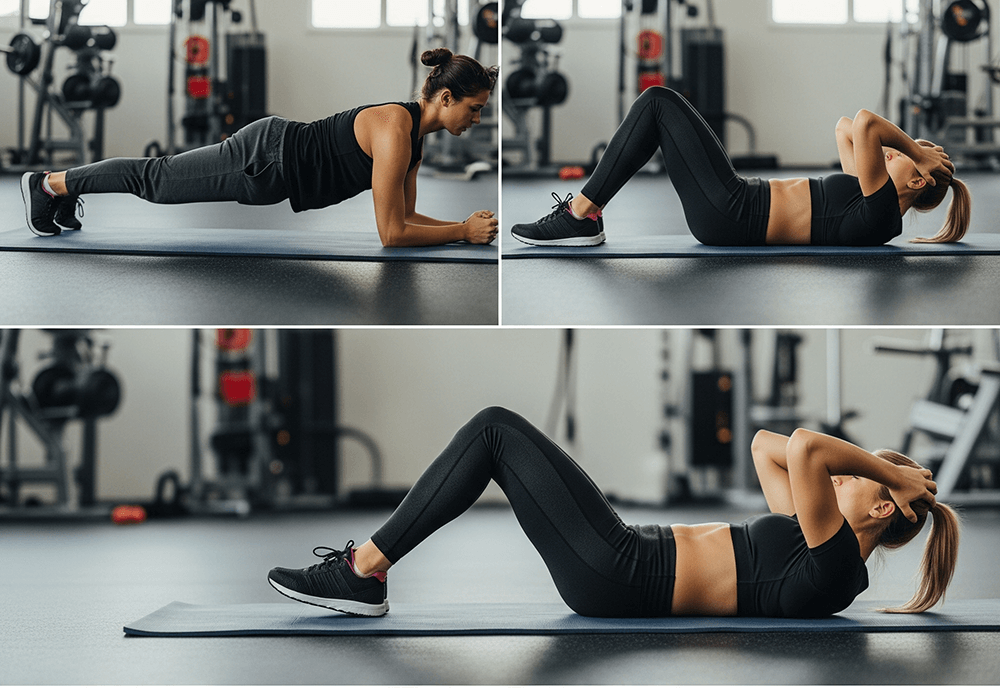
Core Strength Made Simple: Expert Physical Therapy Tips
Is back pain making standing tall more difficult? Have you noticed you don’t feel as balanced as you once used to? What’s the connection? These are both signs that may indicate core muscle weakness. At H2Orthopedic Aquatic and Physical Therapy, our physical therapists can help you figure out if your core is affecting your condition and, if so, how to get it strong again!
Your core muscles help you do a lot — from sitting to standing to getting up and down from chairs. A strong core allows smooth, coordinated actions, thus impacting almost every activity you do every day. If your core muscles are weak, they may affect your function and possibly your pain levels.
It’s important to note that core muscles are not just important for physical fitness but are also essential to the overall quality of life. Our physical therapists understand the importance of core strength and will assess you to determine if it’s affecting your daily activities. With our expert guidance, you’ll learn how to engage your muscles in how they were designed to move!
Contact us today to set up an appointment or learn more about how our team can help you strengthen your core!
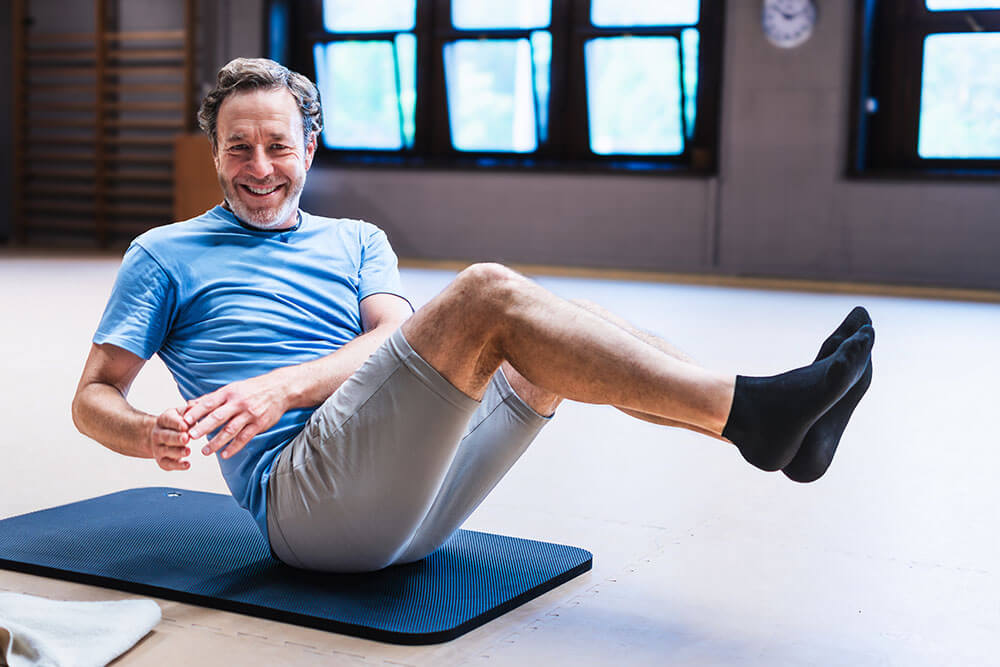
What Is the “Core”?
When most people think of core muscles, they immediately think of the abdominals. However, the core muscles comprise the lower back, hip, pelvis, pelvic floor, and even the diaphragm muscle.
Significant weakness in the core will often lead to compensations and straining of different body areas, most commonly the back and neck muscles. As a result, this leads to undesirable consequences, such as poor posture, fatigue, or pain.
The muscles that make up your core are designed to help stabilize your body, support your posture, ensure your balance, and support movements in all directions. If any of these muscles are weak, injured, or used inappropriately, your trunk becomes unstable, making it difficult for your body to function correctly.
The core assists in almost every movement, from bending down to picking up an object to standing up straight. It also plays a significant role in breathing, lifting a heavy object, twisting your body, or even just walking. Core strength is also essential in sports performances, allowing the body to balance and control movements while running, jumping, and sustaining contact. A strong core enhances power, speed, coordination, and agility with all sports and recreational pursuits. It also can help reduce the risk of injuries and may help to prevent chronic lower back pain.
A strong core is vital to your overall health, functional movement, and athletic performance. Proper core training helps maintain spine health, ensures optimal performance in your daily life, and can help prevent various injuries.
Building Core Strength with Expert Guidance
Physical therapy is a great starting point for building your core strength. Our licensed therapists will conduct a detailed evaluation to identify the underlying muscle weaknesses and strategies to strengthen them.
Whether you feel pain in your back, neck, shoulders, or legs, we will thoroughly analyze your posture, movement patterns, and strength, pinpointing the exact cause of the pain. From there, we will create an individualized treatment plan for you based on your specific needs to strengthen your core, improve your posture, and alleviate pain.
Core stability is about both muscular strength and proper sensory input. This sensory input informs the central nervous system about your body’s movements and positions to facilitate specific actions, ensuring your body reacts appropriately. When functioning properly, our body can perform the most basic tasks and advanced athletic activities.
Our therapists will design a program to teach you how to use your core muscles properly. We will create a strength program focusing on core-specific exercises and progressing to multi-joint free-weight exercises for comprehensive core muscle training. You can anticipate continuous feedback and guidance for fine-tuning your movements to ensure optimal spinal stabilization through a strong core.
Book Your Appointment at H2Orthopedic Aquatic and Physical Therapy Today!
Our physical therapy team will assess your condition to identify how your core affects your function. We’ll educate you on how your core affects your physical activity and contributes to the pain you may be experiencing. Our individualized exercise programs can reduce your pain and improve your overall quality of life!
Call us today to set up an appointment!
Sources: https://bmcmusculoskeletdisord.biomedcentral.com/articles/10.1186/s12891-021-04858-6, https://www.ncbi.nlm.nih.gov/pmc/articles/PMC6407754/, https://journals.lww.com/nsca-jscr/fulltext/2012/02000/effect_of_core_strength_on_the_measure_of_power_in.8.aspx, https://www.mdpi.com/2411-5142/6/2/37, https://www.frontiersin.org/articles/10.3389/fphys.2022.915259/full

Cherry-Berry Oatmeal Smoothies
- 1/2 cup quick-cooking rolled oats
- ½ cup light almond milk
- ¾ cup fresh strawberries
- ½ cup fresh dark sweet cherries
- 1-2 tbsp almond butter
- 1 tbsp honey
- ½ cup small ice cubes
In a medium bowl, combine water and oats. Microwave 1 minute. Stir in ¼ cup of the milk. Microwave 30 to 50 seconds more or until oats are very tender. Cool 5 minutes. In a blender combine oat mixture, the remaining ¼ cup milk, and the next four ingredients (through honey). Cover and blend until smooth, scraping container as needed. Add ice cubes; cover and blend until smooth. If desired, top each serving with additional fruit.
Exercise of the Month
Bird Dog
(Core, Lower Back, Glutes)
Start on your hands and knees on a mat or table. Brace your abdominals and keep your back flat. Slowly raise one arm straight out in front of you while simultaneously raising your opposite leg back behind you until both limbs are straight and parallel with the ground. Lower them back down and repeat with your other limbs. 3 Sets, 10 Reps.
Meet Our Team

Erika J.
PTA
Carissa V.
PTA
Michele B.
PTA
Nicki B.
Practice Manager
Wyatt W.
PT, DPT
Larry L.
PT, Co-Owner
Amy L.
MBA, LMT, Certified Pilates Instructor, Co-Owner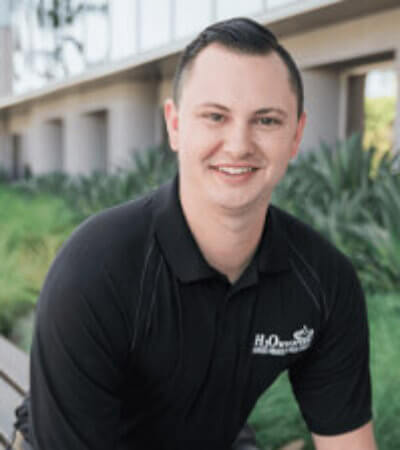
Stefan G.
PT, DPT, CILet’s Get You Better ASAP!
Contact us if you feel that your physical health or an old injury is holding you back from being active. Working with our physical therapists at H2Orthopedic can help you achieve improved balance and a healthy lifestyle.