Expert Physical Therapy Tips
December 2024 Newsletter
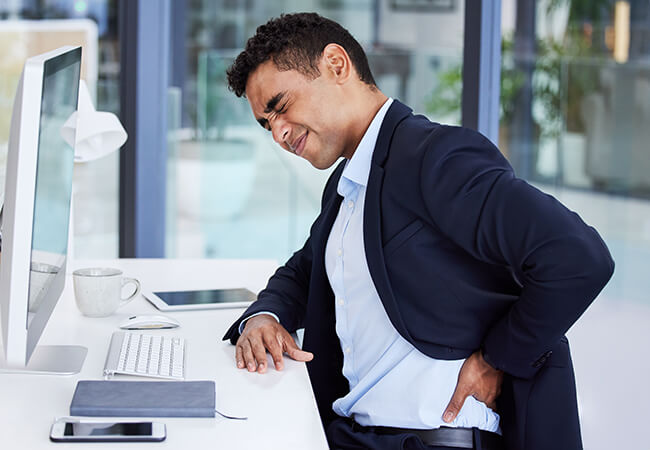
Is back pain making standing tall more difficult? Have you noticed you don’t feel as balanced as you once used to? What’s the connection? These are both signs that may indicate core muscle weakness. At H2Orthopedic, our physical therapists can help you figure out if your core is affecting your condition and, if so, how to get it strong again!
Your core muscles help you do a lot — from sitting to standing to getting up and down from chairs. A strong core allows smooth, coordinated actions, thus impacting almost every activity you do every day. If your core muscles are weak, they may affect your function and possibly your pain levels.
It’s important to note that core muscles are not just important for physical fitness but are also essential to the overall quality of life. Our physical therapists understand the importance of core strength and will assess you to determine if it’s affecting your daily activities. With our expert guidance, you’ll learn how to engage your muscles in how they were designed to move!
Contact us today to set up an appointment or learn more about how our team can help you strengthen your core!
What Is the “Core”?
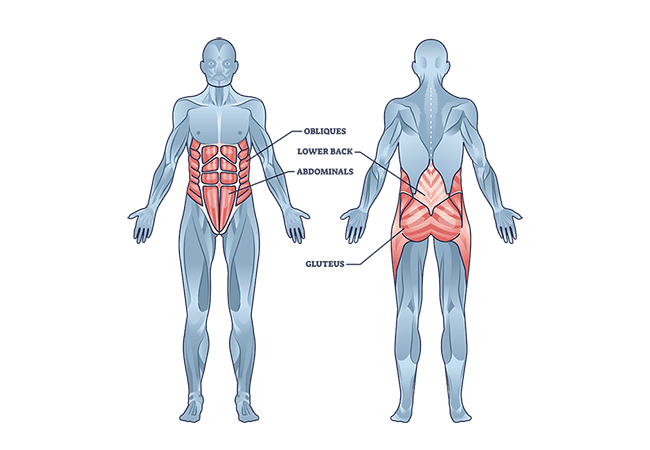
When most people think of core muscles, they immediately think of the abdominals. However, the core muscles comprise the lower back, hip, pelvis, pelvic floor, and even the diaphragm muscle.
Significant weakness in the core will often lead to compensations and straining of different body areas, most commonly the back and neck muscles. As a result, this leads to undesirable consequences, such as poor posture, fatigue, or pain.
The muscles that make up your core are designed to help stabilize your body, support your posture, ensure your balance, and support movements in all directions. If any of these muscles are weak, injured, or used inappropriately, your trunk becomes unstable, making it difficult for your body to function correctly.
The core assists in almost every movement, from bending down to picking up an object to standing up straight. It also plays a significant role in breathing, lifting a heavy object, twisting your body, or even just walking. Core strength is also essential in sports performances, allowing the body to balance and control movements while running, jumping, and sustaining contact. A strong core enhances power, speed, coordination, and agility with all sports and recreational pursuits. It also can help reduce the risk of injuries and may help to prevent chronic lower back pain.
A strong core is vital to your overall health, functional movement, and athletic performance. Proper core training helps maintain spine health, ensures optimal performance in your daily life, and can help prevent various injuries.

Building Core Strength with Expert Guidance
Physical therapy is a great starting point for building your core strength. Our licensed therapists will conduct a detailed evaluation to identify the underlying muscle weaknesses and strategies to strengthen them.
Whether you feel pain in your back, neck, shoulders, or legs, we will thoroughly analyze your posture, movement patterns, and strength, pinpointing the exact cause of the pain. From there, we will create an individualized treatment plan for you based on your specific needs to strengthen your core, improve your posture, and alleviate pain.
Core stability is about both muscular strength and proper sensory input. This sensory input informs the central nervous system about your body’s movements and positions to facilitate specific actions, ensuring your body reacts appropriately. When functioning properly, our body can perform the most basic tasks and advanced athletic activities.
Our therapists will design a program to teach you how to use your core muscles properly. We will create a strength program focusing on core-specific exercises and progressing to multi-joint free-weight exercises for comprehensive core muscle training. You can anticipate continuous feedback and guidance for fine-tuning your movements to ensure optimal spinal stabilization through a strong core.
Book Your Appointment at H2Orthopedic Today!
Our physical therapy team will assess your condition to identify how your core affects your function. We’ll educate you on how your core affects your physical activity and contributes to the pain you may be experiencing. Our individualized exercise programs can reduce your pain and improve your overall quality of life!
Contact us today to set up an appointment!

Our Patients Get Great Results
“Initially I went to H2Orthopedic to get massages; however, when I developed knee pain I decided to have PT in hopes of reducing the chance of having surgery. Initially I met with Wyatt and he set up a plan and worked with me. I also worked with Olivia who was also wonderful. All the staff I had communication with during my 6-week therapy sessions were great! The facility is well organized, clean and neat. I also worked with PT techs such as Erika and another person I don’t recall her name, but everyone was positive, encouraging, and friendly. I would definitely use H2Orthopedic in the future.
My tip: Actually do the exercises consistently and you will feel results!”
-Alan T.
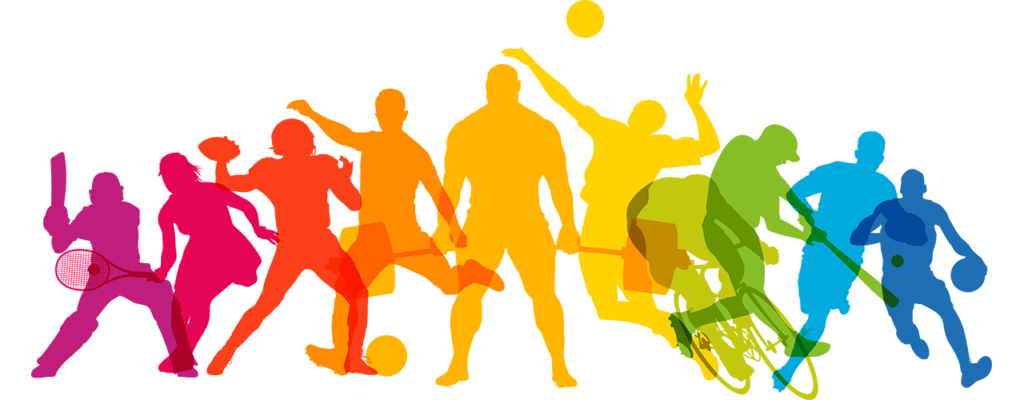
Boost Your Game with Injury Prevention Tips!
At H2Orthopedic, we are totally focused on helping athletes like you get back on track if you’ve had a recent injury. We check out what’s causing any aches or trouble moving so we can figure out the best way to help you.
We’ll also guide you through the steps to prevent injuries and ensure you are getting stronger and ready to return to the sport you love so much.
Here Are Our Top 5 Tips to Help You Stay Injury-Free:
1. Sleep
Getting plenty of sleep is a big deal. Studies show that good sleep can help prevent injuries.
2. Strength Training
This is a great way to build strong muscles that can help keep you safe while playing.
3. Nutrition
Eating balanced meals is essential for staying healthy and avoiding injuries.
4. Hydration
Drinking enough water is critical for helping you recover and keeping injuries away.
5. Avoiding Fatigue
Making sure not to overdo it and giving yourself breaks is vital to stay away from injuries.
Our goal is to help you return to your training and competition, using targeted exercises that help prevent any injuries. We’re here to help you face your sport’s challenges with more strength and confidence!

Feel Better by Eating Better!
Oatmeal Pancakes With Cinnamon Apples
1 1⁄2 cups buttermilk
3⁄4 cup instant rolled oats
3⁄4 cup whole wheat flour
2 Tbsp milk
1 Tbsp melted butter
1 1⁄2 tsp baking powder
1⁄2 tsp baking soda
Pinch of cinnamon (plus 1⁄8 tsp for the apples)
Pinch of nutmeg
1 Granny Smith apple, peeled, cored, and chopped
1⁄2 cup apple juice
Butter or cooking spray
In a large bowl, mix the buttermilk, oats, flour, milk, butter, baking powder, baking soda, cinnamon, and nutmeg. Let it rest. In a small saucepan, simmer the apple, apple juice, and cinnamon until the apple softens and the liquid thickens. Preheat the oven to 200°F. Heat a skillet over medium heat and add butter or cooking spray before each round. Scoop 1⁄4-cup portions of batter, spreading into thin circles. Cook 2-3 minutes per side. Keep pancakes warm in the oven. Serve with warm apples.
Exercise of the Month
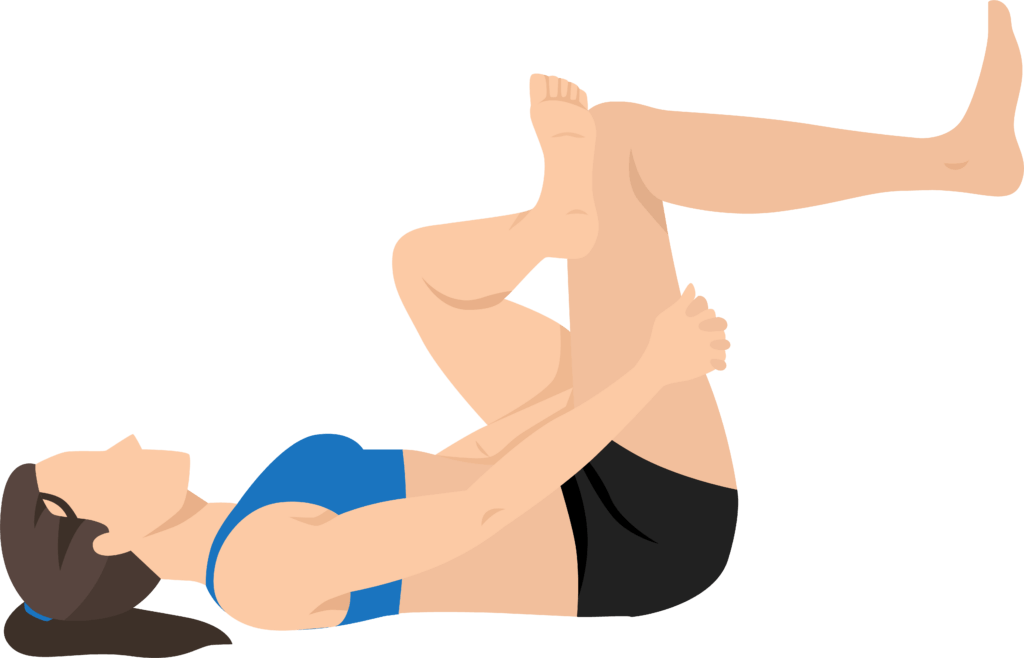
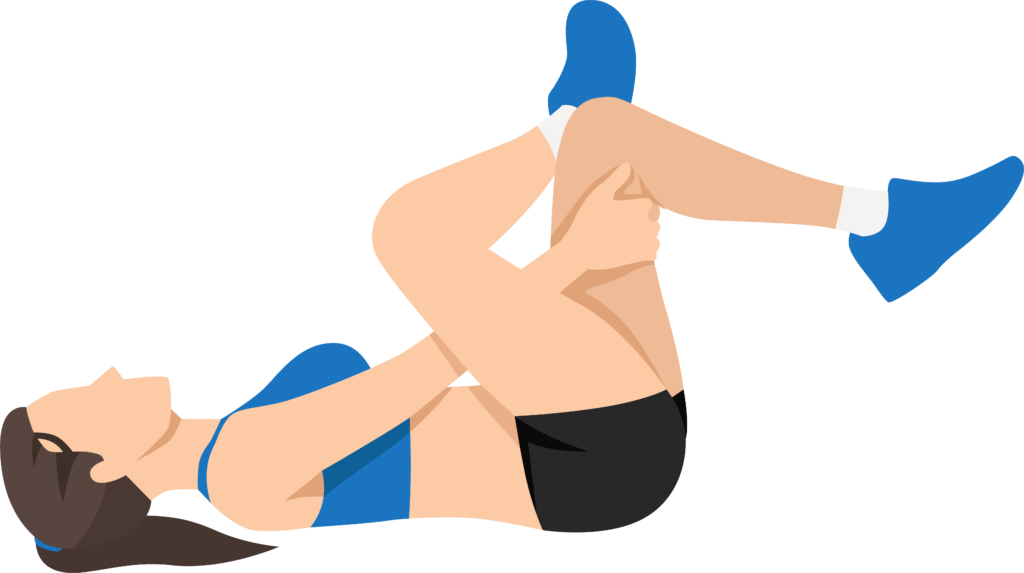
Figure 4 Stretch
Lie on your back with your knees bent, feet flat, and in line with your hips. Bring either ankle to the opposite knee forming a figure four (i.e. cross your legs). Reach through your bent knee and grasp the back of the leg still on the ground and pull it towards your chest. You should feel the stretch in your buttocks. Keep your head and neck relaxed and hold the position. Repeat for both sides.
Meet Our Team

Larry L.
PT, Co-Owner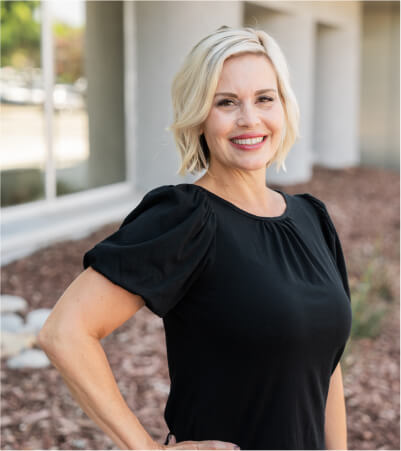
Amy L.
MBA, LMT, Certified Pilates Instructor, Co-Owner
Stefan G.
PT, DPT, CI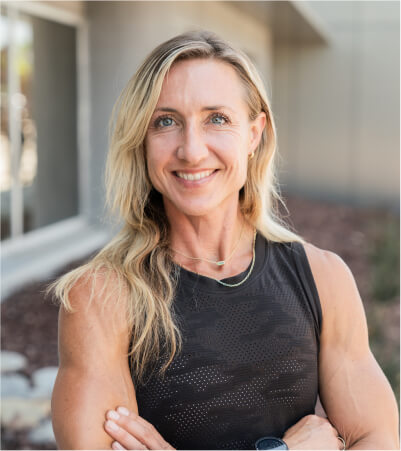
Erika J.
PTA
Carissa V.
PTA
Michele B.
PTA
Nicki B.
Practice Manager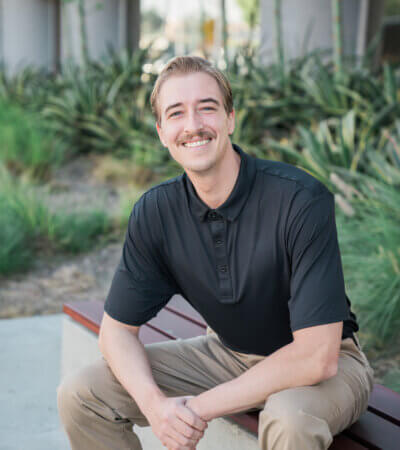
Wyatt W.
PT, DPTLet’s Get You Better ASAP!
Contact us if you feel that your physical health or an old injury is holding you back from being active. Working with our physical therapists at H2Orthopedic can help you achieve improved balance and a healthy lifestyle.